How can I fill my cup back up when I feel drained
8 min read
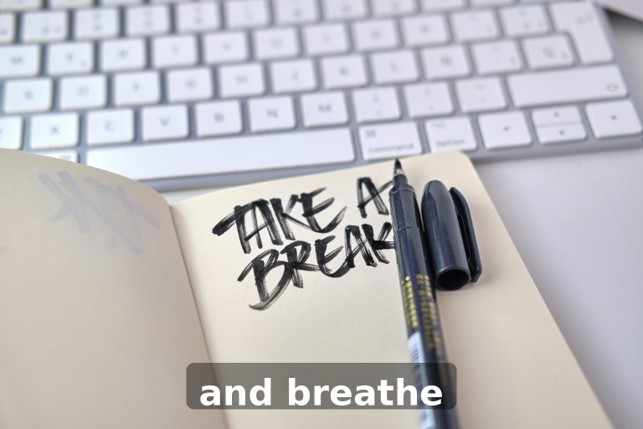
When life leaves me feeling physically or mentally drained, filling my cup back up starts with small, consistent acts of care rather than trying to change everything at once. I focus on sleep, nourishing foods, movement, time outside and mindfulness. I also remind myself to pause and breathe along the way.
Why do I feel so depleted?
It is easy to keep giving without noticing that my own reserves are getting low. Work, family, responsibilities, notifications, commitments and everyday decisions can quietly add up until rest becomes something I postpone rather than something I protect. I may tell myself I will slow down after the busy period, but another busy period often arrives before the first one has properly finished.
The result can be a cycle of feeling tired, rushing through meals, sitting for long stretches, spending little time outdoors and moving from one task to the next without a genuine pause. Sometimes the issue is not that I need a dramatic life overhaul. I simply need regular opportunities to restore the basics.
That is why the question “How can I fill my cup back up?” matters. For me, it is about creating a practical rhythm of recovery that can fit into real life.
What happens when my cup stays empty?
When recovery keeps getting pushed aside, even ordinary tasks can feel harder. I might notice that I am less patient, more distracted, less motivated to prepare nourishing meals or simply craving a break without knowing how to take one. A lack of regular rest can also make it harder to concentrate and enjoy the things that normally give me energy.
Self-care does not have to mean an expensive day out, a perfect morning routine or hours of free time. For me, the most useful changes are simple and repeatable: getting enough sleep, eating regularly, moving gently, getting outside and creating a few quiet moments.
Restoration works best when I build it into my day instead of saving it for a future moment when life finally becomes calm. That is the approach behind this five-step reset.
A Five-Step “Fill Your Cup” Reset
My starting point is a simple daily refill routine. I think of it as five foundations that work together. I do not need to perfect every step. My goal is to make each one easier to repeat.
Step 1: Prioritise sleep
Why: Sleep gives my body and mind regular time to rest and recover.
How: I aim to go to bed and wake up at reasonably consistent times, including on weekends where practical. A short wind-down routine can signal that the day is ending. Dimming the lights, putting devices aside and making my bedroom comfortable and restful are simple places to start.
When: I aim to protect my sleep window every day rather than waiting until I feel exhausted.
Best practice: Putting my intended bedtime and wake-up time in my calendar or phone reminders helps me treat them as appointments with myself. If sleep problems are persistent or significantly affecting daily life, I would speak with a qualified health professional.
Step 2: Eat nourishing foods
Why: My body needs regular fuel to support everyday energy and wellbeing.
How: I aim to build balanced meals around a variety of whole foods and fresh produce. That includes vegetables and fruit, whole grains, protein-rich foods and healthy fats according to my needs and preferences. I keep the approach realistic rather than aiming for perfection.
When: I try not to leave eating until I am completely depleted. Planning a few simple meals or snacks ahead of time can make the nourishing choice easier on busy days.
Best practice: I keep a short list of easy meals I enjoy. My approach at Fresh Start Wellness is practical: healthy habits need to be realistic enough to live with, not another source of pressure.
Step 3: Move my body
Why: Regular physical activity can support my physical wellbeing, mood and everyday function.
How: I look for movement I enjoy. That could be a walk, gentle stretching, dancing, gardening, yoga or another activity that suits my fitness level and circumstances. If I have been inactive, I start small.
When: I look for natural opportunities during the day: a morning walk, a stretch between tasks or a few minutes of movement after sitting for a while.
Best practice: I make the habit specific. Instead of saying “I should exercise more”, I can say “I will take a ten-minute walk after lunch”. Small, clear actions are easier to remember and repeat.
Step 4: Spend time outside
Why: Getting outdoors gives me a change of environment, fresh air and exposure to natural light. Time outside can also create a useful mental break from screens and indoor routines.
How: I can step outside for a walk, sit in the garden, have a coffee outdoors or simply spend a few quiet minutes noticing what is around me.
When: I aim to get outside daily, choosing a time that fits my routine and local conditions.
Best practice: I pair outdoor time with another habit. For example, I might take a short walk after breakfast or spend five minutes outside before starting my afternoon tasks. My goal is consistency rather than duration.
Step 5: Practise mindfulness and breathe
Why: Mindfulness creates a small space between what is happening around me and how quickly I respond. It can help me notice what I am feeling and give myself a moment to reset.
How: I can sit quietly and take a few slow, comfortable breaths. I can also journal, write down what is on my mind or spend a few minutes noticing sounds, sensations and thoughts without needing to fix everything immediately.
When: I use a natural transition point: when I wake up, before bed, after work or whenever I notice myself becoming overwhelmed.
Best practice: I keep it simple. A two- or five-minute timer and a phone placed out of reach can help me focus on the pause. A short break I actually repeat can be more useful than a complicated routine I abandon.
Essential oils can also be a simple addition to this quiet routine. For example, I can choose a lavender aroma for a wind-down setting or a sweet orange aroma for a pleasant daytime pause. I treat the aroma as a reminder to stop and make time for myself, rather than expecting an oil to replace rest or the other foundations.
Common Mistakes I Aim to Avoid
- Trying to change everything overnight. Five new habits at once can feel like another workload. I start with one or two and build gradually.
- Treating rest as a reward. Rest is part of looking after myself, not something I have to earn after completing every task.
- Making healthy habits too complicated. If my plan requires equipment, hours of preparation or perfect conditions, it may be difficult to sustain.
- Ignoring my own preferences. The best walking route, meal plan or mindfulness practice is one that is safe, suitable and realistic for me.
- Waiting until I am completely exhausted. Refilling my cup works better when small recovery moments happen regularly.
I also avoid turning self-care into a long list of ideal habits. Clear, manageable actions give me something practical to begin with.
A Simple Daily Refill Routine
When I want to begin, I keep it uncomplicated. I choose a consistent sleep and wake time, plan one nourishing meal, add a short walk or stretch and step outside for some fresh air and natural light. Then I take two quiet minutes to breathe or write in a journal.
I think of this as a daily check-in:
- Have I rested?
- Have I fuelled myself?
- Have I moved?
- Have I been outside?
- Have I paused?
I do not need a perfect score. My purpose is to notice what my cup needs and respond before depletion becomes my normal.
Frequently Asked Questions
How long does it take to fill my cup back up?
I do not put a deadline on it. Small changes can create a sense of progress quickly, while rebuilding energy and wellbeing may take longer. I focus on consistency rather than a fixed timeline.
What should I do first if I feel completely drained?
I start with the basics: rest, regular nourishing food, gentle movement if appropriate, fresh air and a quiet pause. If exhaustion is severe, ongoing or affecting my ability to function, I would seek professional advice.
Do I need a strict self-care routine?
I find a flexible approach more practical than a strict routine. I use the five foundations as a guide and adapt them to my circumstances.
How can I make self-care fit into a busy day?
I attach small actions to habits I already have. I can walk after lunch, stretch after sitting, step outside between tasks or take a few breaths before opening my next email. Small moments count.
Explore Essential Oils for My Everyday Self-Care
I see essential oils as one small addition to a practical self-care routine. Learning how to choose and use them is a useful starting point, especially because not all essential oils are pure or of the same quality.
My FREE Essential Oils Guide is a simple place to begin exploring essential oils and how they could fit into everyday life.
Filling my cup is not about becoming a different person or achieving a perfect routine. It is about making space for the basics that help me feel supported, restored and ready to meet the day. I start small, practise kindness towards myself and remember to pause and breathe.